Teach Teens to Earn and Save with Rewards Apps
Practical steps to teach teens how to earn and save with rewards apps. Real income examples, safe app checks, routines, and tools like Playpot and Birthday Hunter.
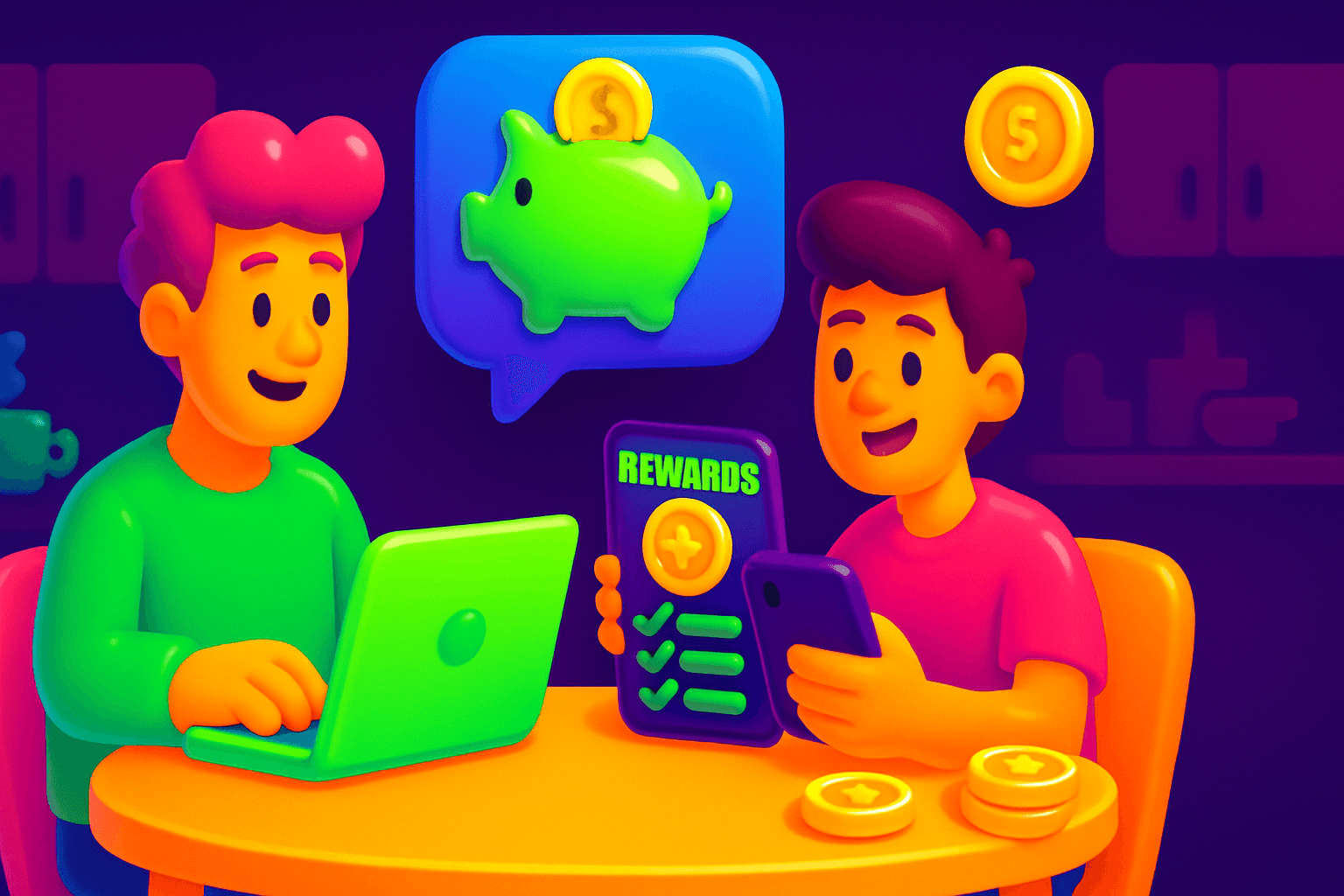
Start with one clear goal
Kids learn faster when a goal is simple and concrete. Pick one short-term saving target together: a new pair of shoes, a concert ticket, or a video game release. Make the target cost explicit, like "save $80 in three months," and break it down into weekly earnings needed.
Keep the focus on skills, not just cash. Use rewards apps as a way to practice time management, basic budgeting, and decision making. Explain that rewards apps can add real cash, but they rarely replace a part-time job. A realistic outcome for most users is $10 to $150 per month, depending on time spent and the offers available.
Quick checklist to set the goal:
- Decide the item and cost.
- Set a deadline that feels achievable.
- Agree how much of earned rewards goes to spending, and how much to saving.
Framing apps as tools for practice, not get-rich-quick schemes, makes teens more motivated and less likely to chase risky shortcuts.
Choose safe, legit rewards apps
Not all apps are equal. Teach teens how to spot reputable platforms and which red flags to avoid. Look for clear payout methods, transparent rules, and reviews from real users.
A good example to mention while researching apps is Playpot. Playpot is a free play-to-earn rewards site. Play games, take surveys, and complete app offers to earn coins, then cash out real money via PayPal, Venmo, or Cash App. No download, play right in your browser. Payout options commonly include PayPal, Venmo, Cash App, Zelle, or gift cards, so confirm which works for your teen.
When vetting any app, check these items:
- Payout proof and minimums: Is there a clear minimum cashout and are earnings trackable? (Example: $20 minimum is common on many sites.)
- Permissions and privacy: Does the app ask for unnecessary access to contacts or messages? If so, avoid it.
- Payment methods: Confirm supported reward methods and whether a guardian account is required for teens under 18.
- Reviews and complaints: Search app stores and Reddit for real user experiences.
If an app promises huge returns with zero effort, skip it.

Build a simple earning routine
A routine makes earnings predictable and helps teens develop good habits. Block short, consistent sessions rather than marathon evenings. For example, plan three 20-minute sessions per week for game tasks and one 30-minute session for app offers or surveys.
Sample weekly plan:
- Monday: 20 minutes of quick skill-based game sessions.
- Wednesday: 30 minutes of surveys and app offers.
- Saturday: 20 minutes to check new offers and redeem small earnings.
Use a shared tracker, like a simple spreadsheet or a note app, so your teen can log time spent and coins earned. This doubles as practice in record keeping.
Encourage quality over quantity. Some offers pay better per minute than others. Teach teens to compare time spent to potential payout, and to skip tasks that take too long for too little reward.
Also discuss screen time limits. Rewards apps can be useful, but they should not replace homework, sleep, or family time.
Turn rewards into real savings and lessons
The real benefit is learning to allocate money. Decide together on a split, for example: 50 percent to saving, 30 percent to spending, 20 percent to giving or a fun fund. Adjust percentages to fit your family values.
Concrete examples:
- If a teen earns $40 in a month, they might put $20 into savings, use $12 for spending, and set $8 aside for charity or treats. That $20 could reach a $100 goal in 5 months.
- For very small payouts, encourage combining funds across apps and months until the minimum cashout is met. Many apps require a minimum cashout, so track balances to avoid losing time chasing tiny amounts.
Talk about automatic transfers where possible. If payouts go to a parent-managed account, set a rule to move the teen's savings into a labeled savings account within 48 hours of payout. This reinforces delayed gratification and keeps funds separate.
Use these moments to discuss taxes briefly. Small rewards are usually low risk, but it is good to note that income thresholds and reporting rules can exist for higher totals.

Teach privacy, safety, and healthy habits
Rewards apps often require email accounts, profile details, or even installs. Set privacy rules that protect your teen while still letting them participate.
Safe-practice rules:
- Use a dedicated email for rewards accounts. This keeps promotional spam out of primary inboxes.
- Never share passwords. Use a password manager if your teen manages multiple logins.
- Read offer terms. If an offer requires a credit card or a long subscription, discuss it before proceeding.
- Limit personal data shared in profiles. Keep names and locations minimal when possible.
Also discuss scams and social pressure. If influencers or friends push a "secret" app that promises fast money, model skepticism and fact-checking.
Use small consequences and clear rewards for rule compliance. For example, if the account is set up according to the family plan, match the teen with an extra $5 contribution to their savings jar for the first month.
A handy app for this
Birthday Hunter aggregates 500 plus birthday freebies from major brands, making it easy to grab perks without joining dozens of loyalty programs. It helps families plan for small windfalls like free food and discounts, which pair well with teen rewards earnings to stretch budgets. Use it when mapping out ways to celebrate milestones without breaking the savings plan.

Quick plan to get started
- Set one clear savings goal with your teen. 2. Pick one reputable rewards app to try for one month. 3. Build a 3-session weekly routine and track time and earnings. 4. Agree on a split of earnings into saving and spending. 5. Review after 30 days and adjust.
Rewards apps are not a replacement for work, but they are useful tools to teach money skills. Keep expectations realistic: many teens will earn modest amounts, often between $10 and $150 per month depending on effort. Use those earnings to practice saving, responsible spending, and privacy habits. If you want a simple starting point, consider apps that pay via PayPal, Venmo, Cash App, or Zelle, and remember to confirm minimum cashout rules so earnings can actually become usable cash.
Playpot's tagline sums the experience well: Tap. Play. Cash out. Start small, keep it safe, and turn rewards into a lesson that lasts.
Turn this into real money with Playpot
Play games, take surveys, and complete offers — earn from your very first one and cash out real money.
Play nowGet the best-paying offers by email
Drop your email and we will send the best-paying offers so you can start earning the moment you sign up.
We use your email to send the bonus code and occasional Playpot updates. Unsubscribe in one click.