Micro-earning ideas for language learners using phone apps
Turn short phone sessions into extra cash while practicing a language. 12 realistic micro-earning ideas, app examples, and a simple weekly plan to get started.
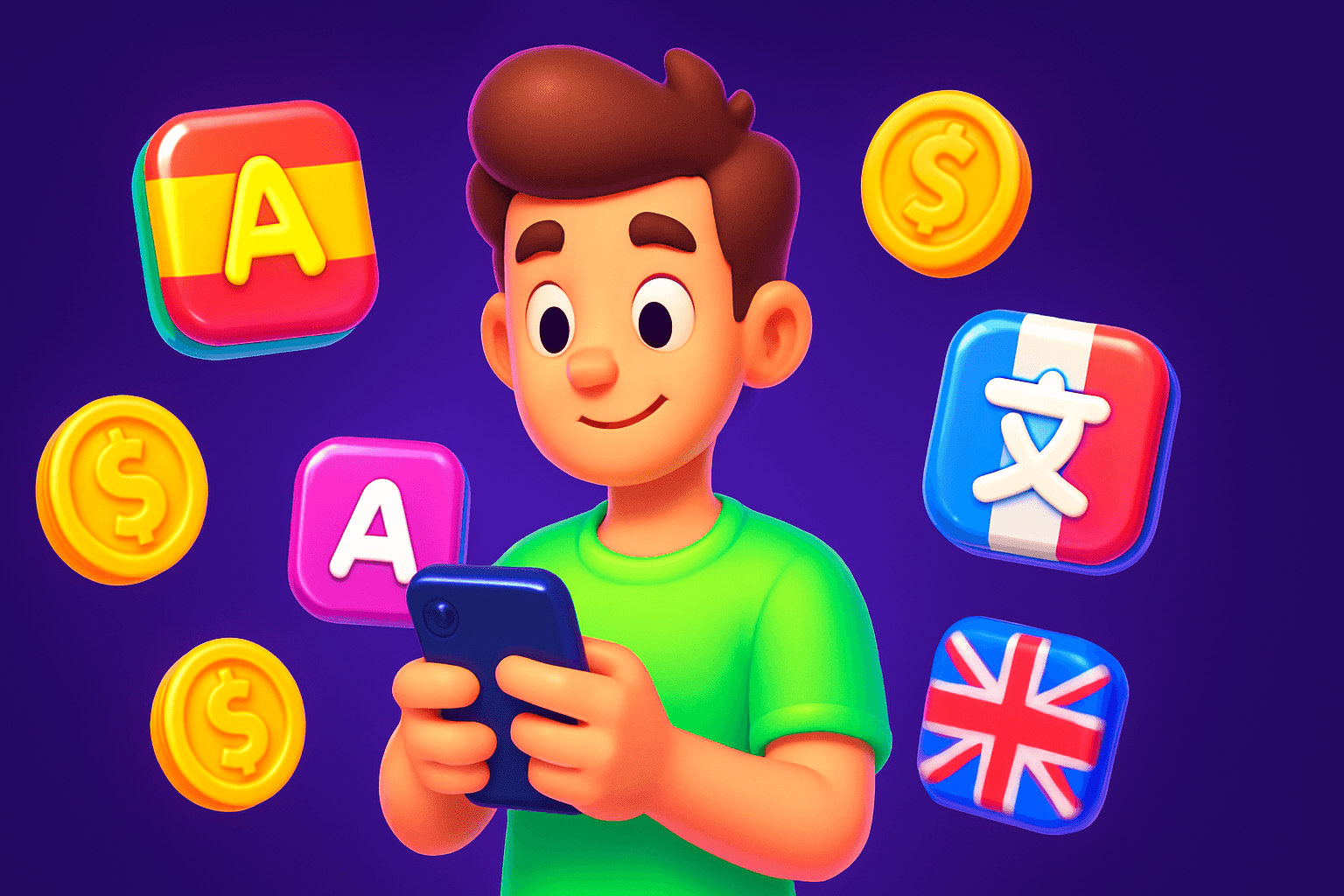
Practice plus pocket money: why short sessions add up
If you study a language for 10 to 20 minutes a day, some of that time can pay you back. Micro-earning is about stacking tiny tasks that fit into daily practice. Expect realistic returns: most users earn between $10 and $150 per month from small apps and surveys. The aim here is steady, low-effort additions to your budget, not replacing a job.
How micro-earning fits into language practice
Micro-earning works best when it doubles as practice. Tasks that use listening, speaking, typing, or translation skills give you two wins: language exposure and a few cents to a few dollars. Do short tasks while commuting, between classes, or right after a study sprint. Keep sessions under 20 minutes so you stay consistent and avoid fatigue.
12 micro-earning ideas for language learners (with app examples)
- Record voice samples for datasets
- What you do: read short phrases or answer prompts in your target language.
- Why it helps: speaking practice and pronunciation work.
- Apps to try: voice data gigs on short-term task marketplaces or specialized data apps. Payments are small but quick.
- Rate pronunciation or translations
- What you do: listen to clips or check translations and mark accuracy.
- Why it helps: trains your ear and grammar sense.
- Apps to try: microtask platforms that post language annotation jobs.
- Take short surveys in your target language
- What you do: answer consumer or opinion surveys that are offered in multiple languages.
- Why it helps: reading comprehension and cultural phrasing.
- Apps to try: general survey apps that filter by language.
- Test beta language apps
- What you do: try new language features, report bugs, or fill feedback forms.
- Why it helps: deep exposure to natural sentences and interface wording.
- Apps to try: app testing platforms and sometimes direct invites from language startups.
- Do micro-translations or edits
- What you do: translate short snippets or edit machine translations for clarity.
- Why it helps: sharpens grammar and vocabulary.
- Apps to try: crowdsourced translation platforms that pay per sentence.
- Captioning and subtitling short videos
- What you do: transcribe or translate 15 to 60 second clips.
- Why it helps: listening comprehension and colloquial phrasing.
- Apps to try: micro jobs on transcription sites.
- Language tutoring bite sessions
- What you do: 10 to 15 minute casual conversation practice for learners.
- Why it helps: speaking fluency and confidence.
- Apps to try: platforms that allow micro-sessions or conversation exchanges with small payments.
- Write short product reviews in the target language
- What you do: test an app or product and write a short review.
- Why it helps: structured writing practice.
- Apps to try: product testing panels and review marketplaces.
- Complete app offers that require language tasks
- What you do: install and try an app, play a short level, or reach a milestone.
- Why it helps: reading game text and interacting with UI in another language.
- Apps to try: reward apps that list app-offer tasks.
- Localized search or map checks
- What you do: confirm business names, addresses, or translations for listings.
- Why it helps: real-world vocabulary and place names.
- Apps to try: mapping and local data quality microtask platforms.
- Join paid language focus groups or product panels
- What you do: share opinions about language products in short sessions.
- Why it helps: listening to and using specialized vocabulary.
- Apps to try: market research panels that pay for short interviews.
- Affiliate or referral bonuses from language tools
- What you do: refer friends to paid courses or apps for a small commission.
- Why it helps: conversational promotion practice and passive income.
- Apps to try: look for referral programs on services you already use.

How to make these ideas practical: batching and timing
- Block 10 minute pockets: morning commute, lunch break, or right after study.
- Batch similar tasks: do three short transcription clips in one sitting to be efficient.
- Track earnings and time: if something pays $0.50 for 5 minutes, that is $6 per hour equivalent. Use that to decide whether to keep doing it.
- Rotate tasks to avoid burnout: mix listening tasks with short writing jobs.
Where to cash out and what counts as real money
Use apps that pay to mainstream methods so you actually get the cash. Playpot is a good example to consider. The site supports Web, iOS, Android, and Desktop, which makes it easy to grab short tasks wherever you study. Playpot is a play-to-earn rewards site that pays through familiar services, and their minimum cashout is 20.
Keep expectations realistic: many people earn $10 to $150 per month from these combined tasks. Treat it as pocket money for coffee, subscriptions, or study materials.

Tips to avoid wasted time and scams
- Verify payouts before spending much time on a site.
- Use trusted payout methods like PayPal or Cash App.
- Avoid offers that require upfront payments or banking details beyond payout info.
- Read recent reviews and focus on tasks that have clear per-task rates.
Another tool worth knowing
Birthday Hunter aggregates over 500 birthday freebies from big brands, which helps you collect extra value on your birthday without signing up for dozens of loyalty programs. If you are cutting costs while building a side income from microtasks, these free perks can offset monthly expenses. It is especially useful for students and young adults who want more rewards without added subscriptions.

A quick plan to try this week
- Pick two micro-earning ideas from the list that match your skills. Try one speaking task and one transcription task.
- Set aside three 15 minute pockets across the week for these tasks.
- Track time and earnings, then decide whether to scale a task up or drop it.
- When you reach small payout thresholds, transfer earnings to a trusted method like PayPal to keep motivation high.
Micro-earning while learning a language is practical when you keep sessions short, pick tasks that offer dual value, and use reliable payout options. Start small, measure your returns, and let the extra money help fund further learning.
Turn this into real money with Playpot
Play games, take surveys, and complete offers — earn from your very first one and cash out real money.
Play nowGet the best-paying offers by email
Drop your email and we will send the best-paying offers so you can start earning the moment you sign up.
We use your email to send the bonus code and occasional Playpot updates. Unsubscribe in one click.