How to Convert Gift Cards to Cash With Minimal Fees
Practical steps to turn unwanted gift cards into cash with low fees. Compare top sites, peer-to-peer tips, safety checks, and a quick checklist for faster sales.
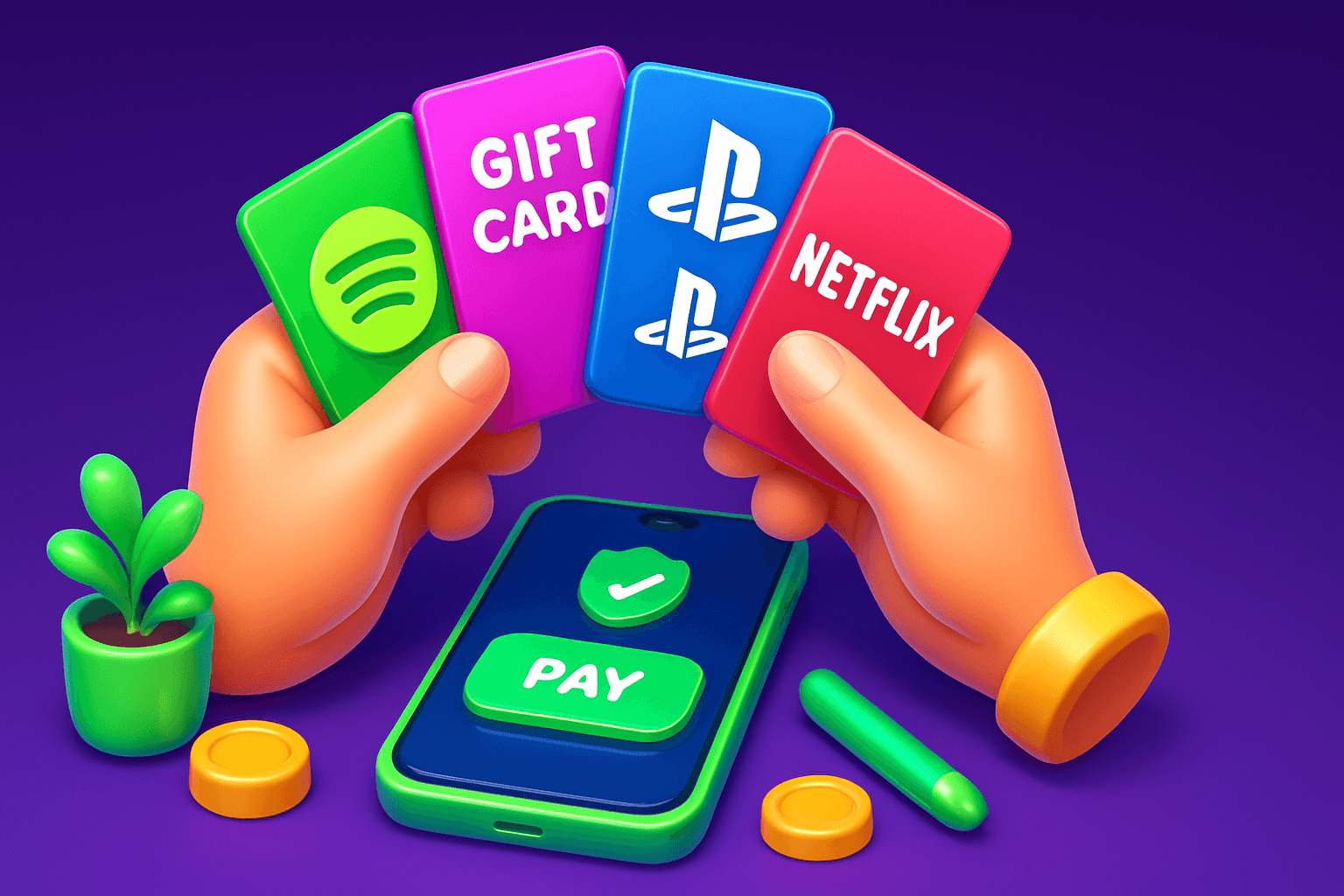
Start with a simple goal: get the most cash possible for a gift card you will not use. Selling badly can cost you 10 to 40 percent of the card value. With a few proven moves you can often get 85 to 95 percent back for major-brand cards, and avoid scams that wipe out your proceeds.
Quick reality check
Most buyers and platforms are not going to pay full face value. Realistic returns by channel:
- Instant buy sites: 80 to 92 percent of face value for common brands.
- Marketplace sale platforms: 85 to 97 percent if you can wait for the right buyer.
- Peer-to-peer local sales: 85 to 95 percent, depends on demand and safety.
- Pawn shops and mall kiosks: often 60 to 80 percent.
If you expect thousands, stop now. Honest side income from reselling gift cards is usually modest. Many users make $10 to $150 per month in extra cash from these kinds of tactics.
How converting gift cards to cash actually works
There are three common paths: sell to a buyout service, list on a marketplace, or sell locally. Each has trade-offs between speed, fees, and safety.
- Buyout services. You submit your card details and get an instant offer. Pros: fast, low hassle. Cons: lower payout.
- Marketplaces. You list the card at a price you choose, and a buyer purchases it. Pros: potentially higher payout. Cons: may take days or weeks, and there can be seller fees.
- Local peer-to-peer. You meet a buyer locally or accept an electronic payment like PayPal or Venmo. Pros: high payout and no marketplace fees. Cons: higher scam risk and safety considerations.

Top online services and what they charge
Here are some names to check and typical ranges. Always read current terms and user reviews before you sell.
- CardCash and Raise: Popular for common brands. Instant cash offers often land around 85 to 92 percent of value, while listing on their marketplace can push toward 92 to 97 percent.
- Gift Card Granny: Aggregator that shops offers across multiple buyers, useful for comparison.
- Direct marketplace listings: Platforms that let you set a price will take a seller fee, usually 2 to 15 percent depending on the site and payout method.
Example scenario: a $100 Amazon card. If a buyout service offers 90 percent, you take $90 now. If you list at 95 percent and wait a few days, you could get $95 minus a 5 percent seller fee, leaving about $90.50. The difference between instant and slightly slower routes is often small for common cards.
Peer-to-peer options that reduce fees
Selling locally or to a known buyer can reduce or eliminate platform fees. Common channels:
- Facebook Marketplace, OfferUp, Craigslist. List the card or a code, accept Venmo or PayPal Friends and Family for lowest fees. Always meet in a public place if exchanging in person.
- Reddit communities: r/giftcardexchange and other subreddits allow trading or selling with reputation-based safeguards.
Tips to keep fees low:
- Accept Venmo or bank transfer when possible to avoid marketplace fees. Be aware of Venmo seller protections and limits.
- If you use PayPal, expect 2.9 percent plus a small fixed fee if the buyer uses Goods and Services. Friends and Family transfers avoid that fee but have fewer buyer protections.
- Confirm the buyer has paid before sending codes or handing over physical cards.
Reduce fees and boost value with simple prep
A little prep increases buyer confidence and your payout:
- Keep receipts if available. A receipt proves the card balance and date of purchase.
- Scratch panels lightly and avoid fully revealing codes in photos. Show the merchant name and remaining balance screen if possible.
- Sell cards for brands in demand: Amazon, Visa/Mastercard, popular retailers and food delivery services sell faster.
- Break large cards into smaller listings if the marketplace favors lower-priced items. A $200 card may sit longer than two $100 listings.
Timing matters. Holiday shopping can push demand for certain retailers up, raising sale prices. Conversely, sell quickly if the card is for a brand that loses market interest.

Avoid scams and protect yourself
Scammers love gift cards. Follow these precautions:
- Never accept overpayment with a promise to send the difference back. That is a classic scam.
- On person-to-person sales meet in daylight, in a public place with cameras, ideally near a bank branch for quick verification.
- Do not release codes or gift-card photos until you confirm receipt of cleared payment. For bank transfers, wait for the funds to post, not just a pending notification.
- Beware of requests to reload or transfer balances to cryptocurrency or prepaid cards; these are major red flags.
Step-by-step checklist to sell a gift card with low fees
- Check buyer demand and pricing across at least two marketplaces.
- Compare an instant buyout offer to expected marketplace sale price after fees.
- If selling locally, choose a public meeting spot and insist on cleared payment.
- Remove or hide serial numbers in photos, show brand and remaining balance only after payment.
- Keep records: screenshots of offers, receipts, and payment confirmation.
Another tool worth knowing
Birthday Hunter aggregates birthday freebies from hundreds of major brands, which can help you avoid buying gift cards you do not need. If your goal is to maximize value from rewards, this saves time and uncovers deals that replace paid purchases. It is useful for people who track freebies, birthday perks, and one-off offers tied to saving or reselling gift cards.
Quick summary and an alternative for earning gift cards
Converting gift cards to cash is often a balance between speed and payout. For the fastest sale accept a slightly lower offer from a buyout service. If you want the highest return be patient, list on a marketplace, or arrange a safe peer-to-peer sale. Always compare prices, insist on cleared payments, and watch for scams.
If you would rather earn new gift cards or money instead of selling, consider Playpot. Playpot is a free play-to-earn rewards app. Earn coins by playing games, completing tasks, watching videos, and spinning a daily wheel, then cash out real money via PayPal, Venmo, or gift cards. Playpot is available on iOS and Android. Tap. Play. Cash out.
Final checklist: compare offers, prioritize safety, pick the channel that matches your time horizon, and keep records. Small changes in listing strategy typically move your payout from low 80s to mid 90s percent of a card value, which adds up over time.
Turn this into real money with Playpot
Play games, take surveys, and complete offers — earn from your very first one and cash out real money.
Play nowGet the best-paying offers by email
Drop your email and we will send the best-paying offers so you can start earning the moment you sign up.
We use your email to send the bonus code and occasional Playpot updates. Unsubscribe in one click.