Do rewards apps sell your information? What to know
Many rewards apps collect data to fund payouts. Learn what they collect, how data is shared, privacy checks before installing, and simple steps to protect your info.
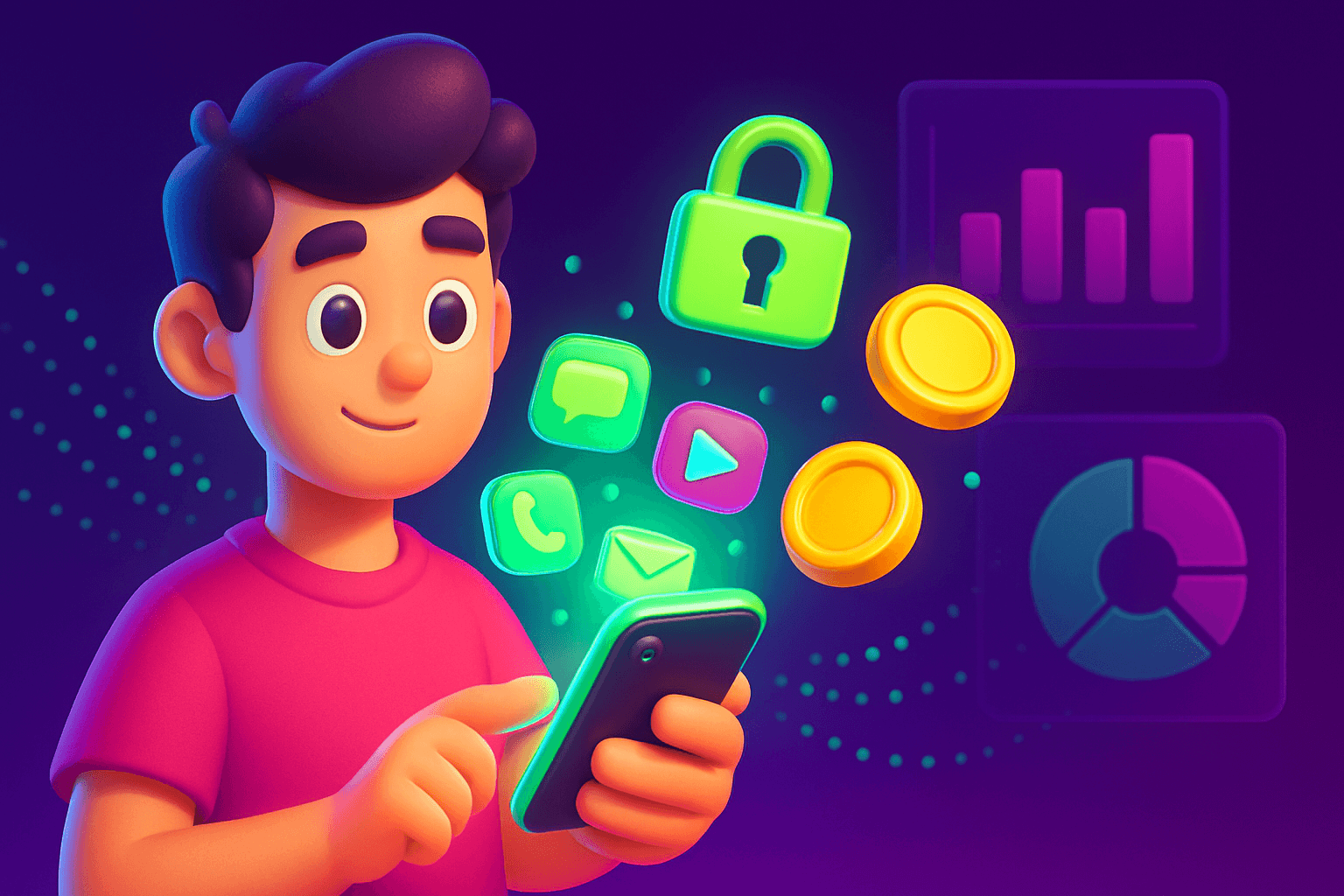
Do rewards apps sell your information? Short answer: sometimes. It depends on the app, what you agree to, and whether the company shares data with ad networks or data brokers.
How rewards apps pay for free features
Most free rewards apps do not run on magic. They need revenue to pay users and cover costs. Common monetization methods include:
- Ads shown in the app. Ad networks buy impressions and target users.
- Affiliate commissions when you complete offers or buy something.
- Selling or sharing data with advertisers or data brokers, in aggregated or identifiable form.
That does not mean every app sells your name and Social Security number. Often the trade is user profile data, device identifiers, and behavior signals used for targeted ads.
What kinds of data apps collect
Apps vary, but here are the data types you will commonly see:
- Basic account info: email address, username, and sometimes phone number.
- Device identifiers: advertising ID, device model, operating system version.
- Usage data: which screens you visit, how long you play, offers you click.
- Location: precise or approximate GPS if you grant permission.
- Purchase or referral info if you link a payment method.
Some companies also build behavioral profiles that infer interests, age range, and other segments. Those profiles are valuable to marketers.

How data gets shared or sold
Data sharing is rarely a single "here is a file" event. Key patterns include:
- Ad networks receive signals for real-time bidding on ad space. Those signals can include segments or IDs tied to your device.
- Third-party analytics collect telemetry for product metrics. Those services may have their own terms.
- Data brokers aggregate and resell profiles built from multiple sources across the web and apps.
Important distinction: aggregated or anonymized data is less risky, but re-identification can happen when datasets are combined. Look for explicit language in a privacy policy about selling personal information and whether you can opt out.
Practical privacy checks before you install an app
Before you tap install, do a quick audit:
- Read the App Store privacy labels and the Android permissions screen to see what the app requests. These are short and useful.
- Scan the app's privacy policy for the words sell, share, or third party. If you see broad language about "partners" and marketing, assume data is shared.
- Check for opt-out links or Do Not Sell options, especially if you're in a state with consumer privacy laws.
- See whether the app asks for permissions that do not match its function, such as microphone or contacts for a game.
If you use rewards apps to earn extra cash, pick apps that limit data collection or give clear opt-outs.
How to reduce what an app can share
Small changes reduce exposure significantly:
- Use a distinct email for rewards apps. That keeps promotional mail and signups separate from your primary address.
- Avoid social logins when possible. Signing up with Facebook or Google often leaks richer profile data.
- Deny permissions you do not need. Many features work fine without precise location or contact access.
- Turn off ad personalization in device settings. This stops targeting based on your profile on many networks.
If you ever plan to cash out, use trusted payout methods and monitor statements. For reference, realistic earnings from rewards apps are modest. Most users make between $10 and $150 per month depending on time invested and app mix.

A note about Playpot and checking terms
If you try an app like Playpot, know the basics before you sign up. Playpot is a free play-to-earn rewards app. Earn coins by playing games, completing tasks, watching videos, and spinning a daily wheel, then cash out real money via PayPal, Venmo, or gift cards. Playpot's tagline is Tap. Play. Cash out. Rewards are available through PayPal, Venmo, and Amazon gift cards, and the app is on iOS and Android.
That description tells you how you earn and cash out, but it does not replace a privacy check. Look for a privacy policy link inside the app and review what data Playpot collects and whether it shares your information. If a policy mentions selling data, look for an opt-out or contact email.
Practical checklist to protect your data when using rewards apps
- Create a burner email for signups and marketing.
- Use app store privacy labels to compare data collection across apps.
- Limit permissions to only what the app needs to function.
- Enable two-factor authentication on your primary email and payment accounts.
- Cash out regularly and avoid storing payment info in too many apps.
- If you live in a jurisdiction with a privacy law that allows opt-outs, exercise that right.
Taking these steps keeps your exposure low while you take advantage of small earnings.
Another tool worth knowing
Birthday Hunter aggregates 500 plus birthday freebies from major brands, so you can claim discounts and freebies without joining dozens of loyalty programs. It helps users save money on food, retail, and services, which is handy if you prefer fewer accounts and less data spread across many brands. Use it to grab birthday perks without signing up for every vendor's email list.
Bottom line
Yes, some rewards apps share or sell data. The degree varies from anonymous ad signals to more personal profile information when you provide it. You do not have to give up privacy entirely to earn extras. Read privacy policies, restrict permissions, use separate emails, and pick apps that are transparent about data sharing.
If you decide to try rewards apps, expect modest income and sensible privacy precautions. Playpot is one example of a play-to-earn option where you earn coins by playing games and completing simple tasks, then cash out via common methods. Keep your expectations realistic, stay informed about how your data is used, and protect the accounts you value most.
Turn this into real money with Playpot
Play games, take surveys, and complete offers — earn from your very first one and cash out real money.
Play nowGet the best-paying offers by email
Drop your email and we will send the best-paying offers so you can start earning the moment you sign up.
We use your email to send the bonus code and occasional Playpot updates. Unsubscribe in one click.